Blog
Cupping vs. Massage: What’s the Difference for Sore Muscles?

Muscle soreness can come from long hours at a desk, intense workouts, or everyday tension that builds without notice. When soreness becomes a regular part of your week, many people look to hands-on methods like cupping or massage to help relieve discomfort. While both approaches involve physical contact and support muscular relief, they work in very different ways.
Understanding the differences between cupping and massage helps people choose the right option for their body, especially in a city where time is limited and recovery matters.
What Massage Does for Sore Muscles
Massage uses direct pressure, kneading, and movement to manipulate soft tissue. It’s a familiar method for reducing surface-level tension and improving short-term relaxation. Depending on the technique used, massage may focus on broad muscle groups, trigger points, or lymphatic drainage.
Massage works well for:
- General muscle stiffness after exercise
- Mild tension in the neck or shoulders
- People seeking a relaxing experience with light to moderate pressure
However, massage often works more on the surface. It may not reach deeper stagnation or affect blood flow as much as other methods can. That’s where cupping comes in.
How Cupping Works Differently
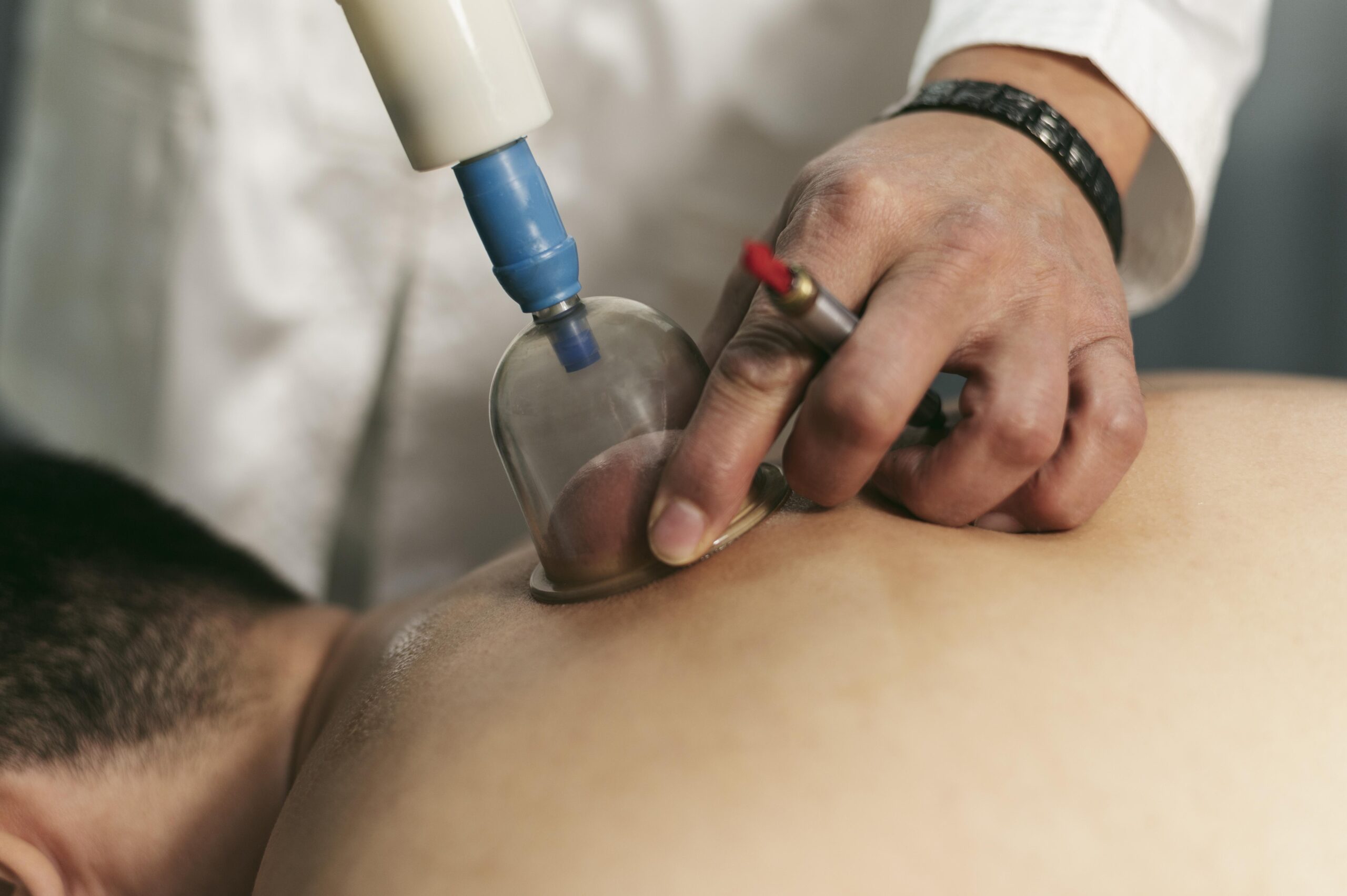
Cupping involves placing glass or silicone cups on the skin and using suction to lift the tissue gently. This pulling motion creates space between layers of fascia and muscle, encouraging circulation, drawing out stagnant blood, and supporting the body’s natural recovery processes.
Unlike massage, which presses into the muscle, cupping lifts the tissue. This can create more circulation in hard-to-reach areas and help release adhesions or tightness that feels stuck. The pulling action also stimulates the lymphatic system, which can support detoxification and reduce inflammation.
Cupping is often used to address:
- Deep, chronic muscle tension
- Recovery from repetitive movement or overuse
- Restricted movement or muscle knots that don’t respond to pressure
- Circulation issues or cold areas in the body
The technique comes from East Asian medicine and has been used for centuries. It’s commonly used alongside acupuncture, but it also works well on its own when the goal is to reduce soreness or improve recovery.
What to Expect During a Cupping Session
During a cupping session, the practitioner will ask about the location and nature of your discomfort. Cups are usually placed on the back, shoulders, or legs, depending on where the tension is located. Mild suction is created using heat or a pump, and the cups remain in place for 5 to 15 minutes.
The sensation is often described as a reverse massage, less pressure, more lift. Afterward, you may see round marks where the cups were placed. These are not bruises, but rather signs of blood and fluids coming to the surface. They typically fade within a few days.
At a licensed acupuncture clinic in NYC, cupping is performed in a clean, safe environment by trained professionals. Your practitioner must be familiar with proper placement, timing, and technique to avoid discomfort and support safe outcomes.
Choosing Between Massage and Cupping
Cupping and massage are not mutually exclusive, but they serve different purposes. Here’s a quick comparison:
| Massage | Cupping |
| Applies pressure into the muscle | Lifts tissue to create space |
| Often used for relaxation and stress | Often used for stagnation and muscle tightness |
| Helpful for surface-level tension | Helpful for deeper soreness or stuck areas |
| Techniques vary widely by therapist | Technique follows East Asian medicine principles |
| Little to no marking on the skin | May leave temporary circular marks |
If your soreness feels like general tightness from posture or stress, massage may be a good first step. If the discomfort feels deeper, sharper, or connected to poor circulation or old injuries, cupping may provide better relief.
Combining Cupping With Acupuncture
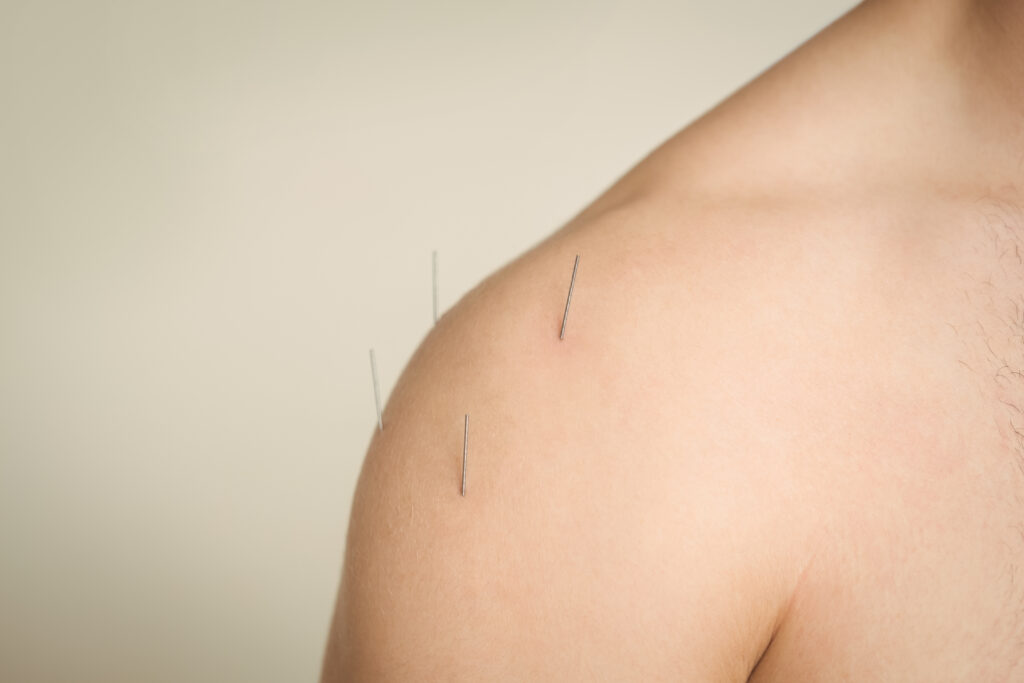
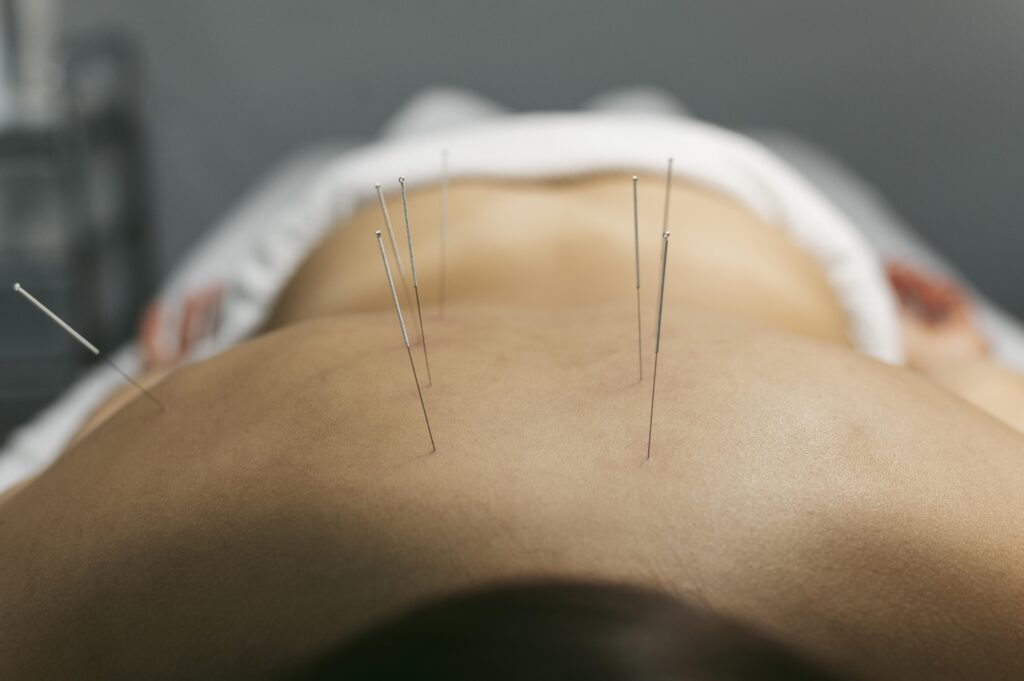
In many cases, cupping works well alongside acupuncture. These therapies have roots in East Asian medicine and are often used together in a single session. Acupuncture works by inserting thin, sterile needles at specific points to affect the nervous system and promote blood flow. Cupping enhances these effects by physically moving blood and lymph through areas that may be stuck or inflamed.
Clinics that provide acupuncture therapy in NYC often include cupping in their approach when muscle soreness is a factor. Together, the two techniques support both short-term relief and long-term recovery.
Finding the Right Practitioner
Not all wellness centers are the same. Look for a clinic that understands the difference between relaxation-focused treatments and treatments designed to support recovery and circulation. Practitioners trained in East Asian medicine know how to assess muscle tone, blood flow, and postural patterns before choosing a method.
Grand Madison Acupuncture is one example of a clinic that uses this approach. With licensed professionals, clear safety protocols, and experience treating muscle soreness, the clinic supports people seeking hands-on methods that go beyond basic relaxation.
For anyone living with stubborn tightness, especially in a high-demand environment like New York City, combining traditional techniques with modern understanding can make a measurable difference.
Final Thoughts
Massage and cupping are both helpful. The better choice depends on what your body needs and how the discomfort shows up. If surface-level tension is the issue, massage may bring temporary ease. If deeper pain is present, cupping may move things that massage cannot.
Clinics like Grand Madison Acupuncture, which provide cupping therapy in NYC, often work with clients who have tried massage but still feel something is off. In these cases, switching the direction of pressure, from pushing to lifting, can help restore circulation and bring relief where other methods fall short.
Taking time to understand these differences gives you a more straightforward path forward and more specific support for the kind of recovery your body actually needs.