Blog
Dry needling vs. acupuncture: what NYC patients need to know

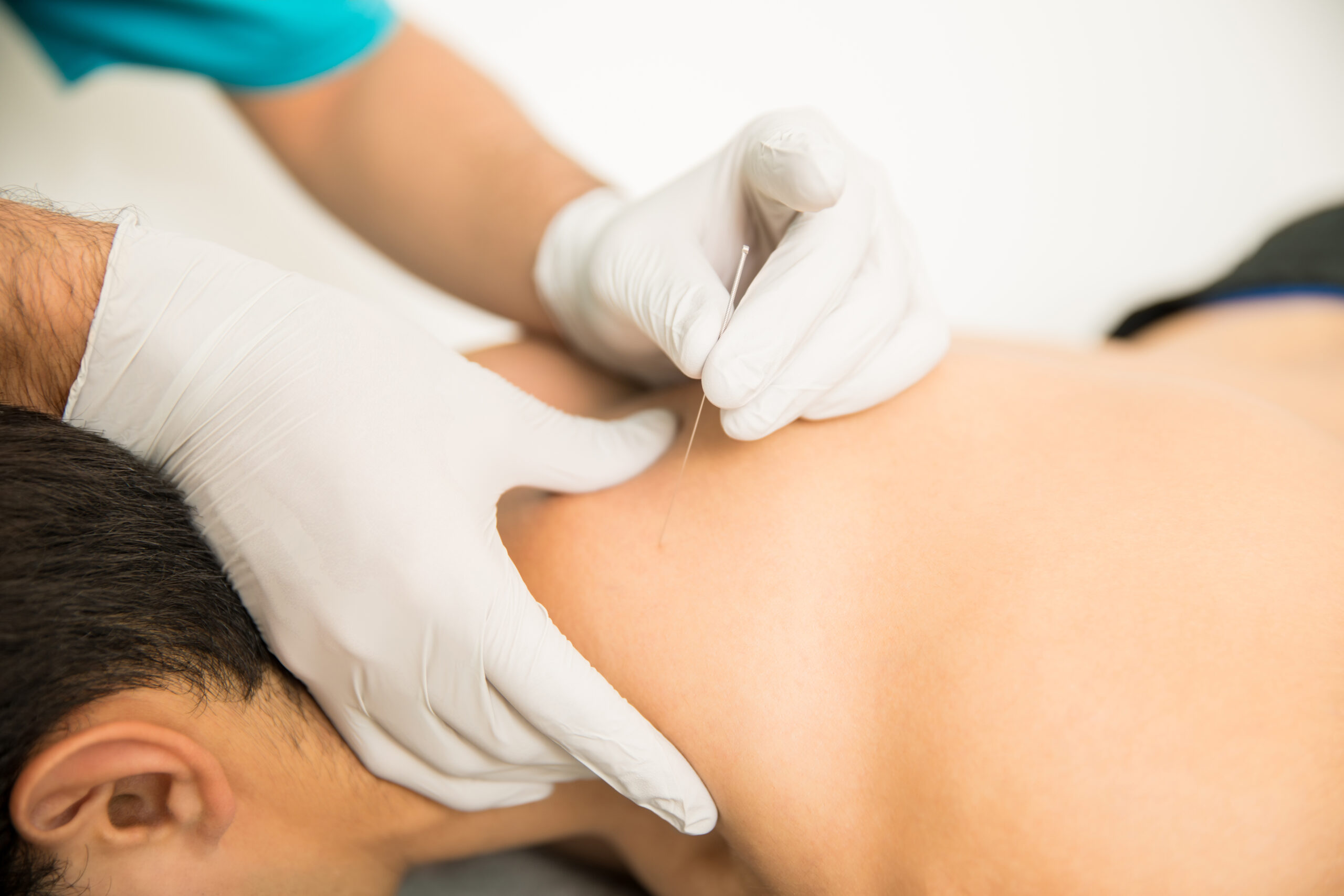
If you’ve been dealing with muscle pain, a sports injury, or chronic tension and started looking into your options, you’ve probably come across both dry needling and acupuncture — and wondered what the difference actually is. In New York, where both are widely practiced, patients often arrive at our door having Googled one and discovered the other. So let’s clear it up once and for all.
They use the same needle. They’re not the same thing.
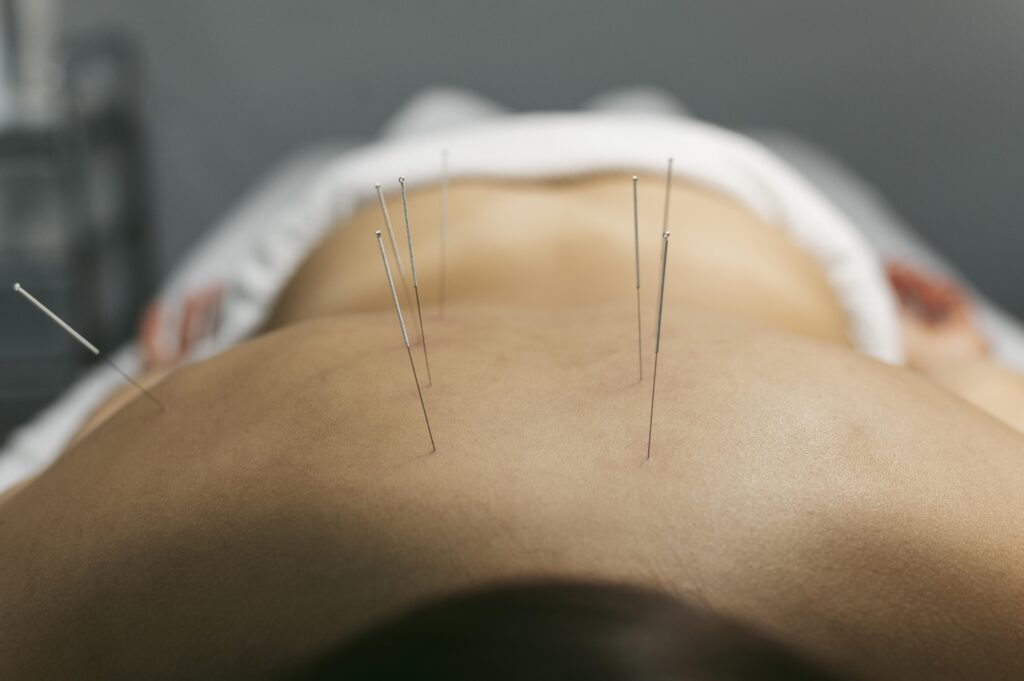
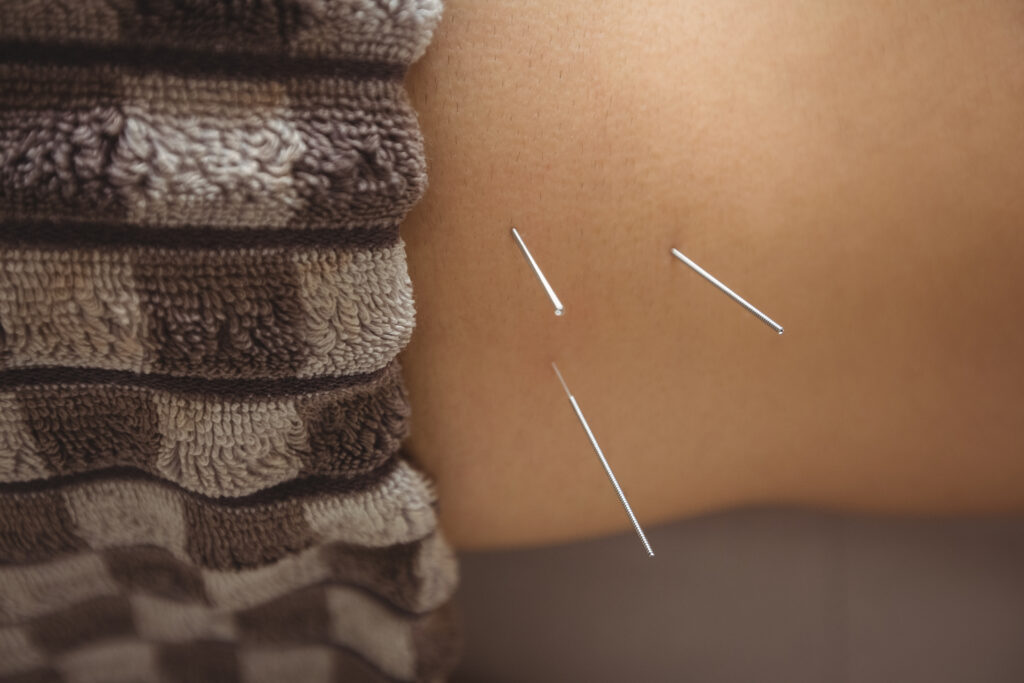
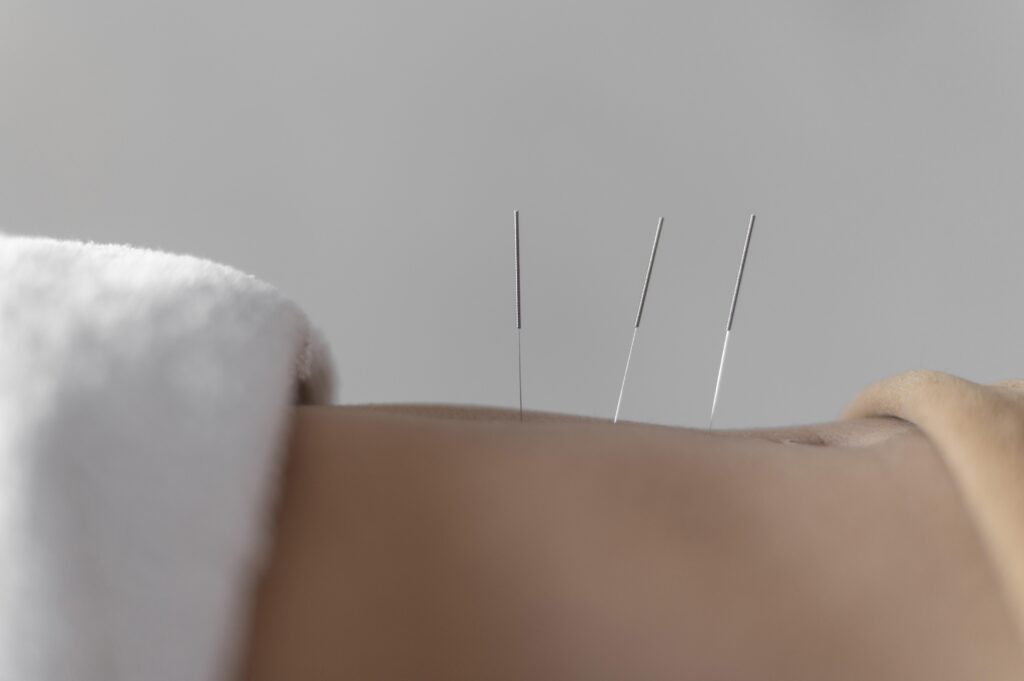
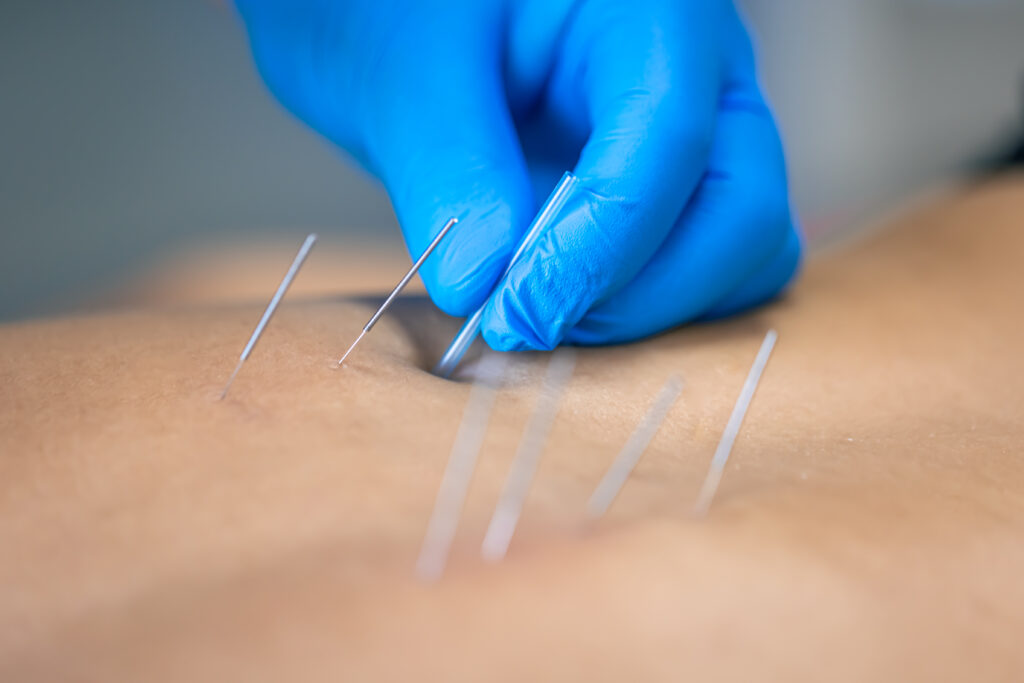
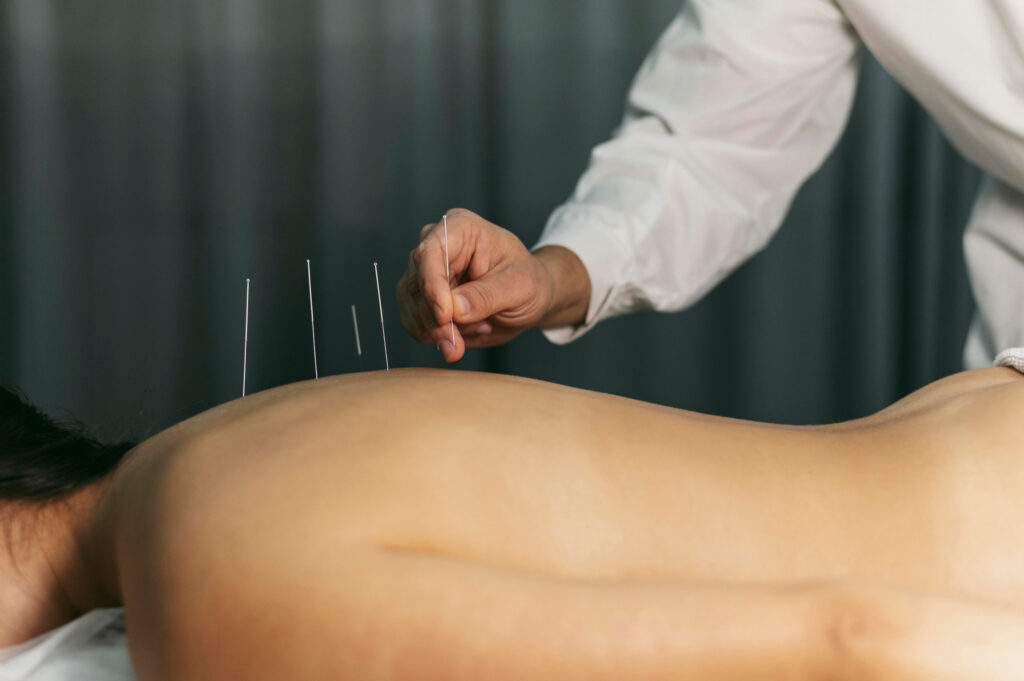
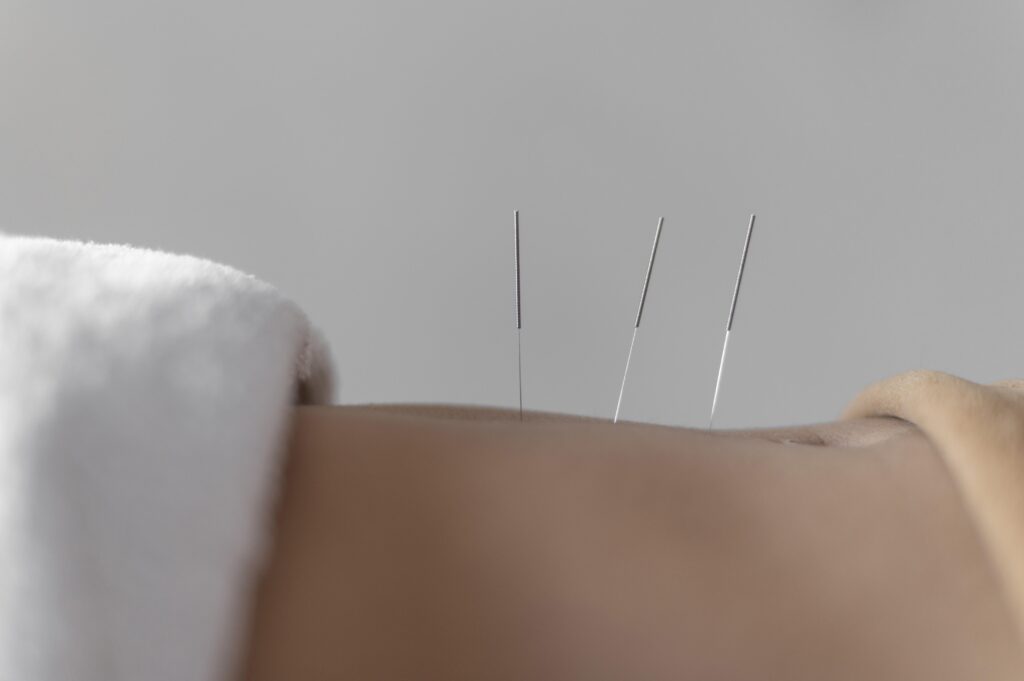
This is where most of the confusion starts. Both dry needling and acupuncture use thin, solid, filiform needles — the kind that don’t inject anything into the body (hence “dry”). But the needle is where the similarity ends. What guides where that needle goes, and why, comes from completely different frameworks.
Acupuncture is rooted in Traditional Chinese Medicine, a system developed over thousands of years. It works with the body’s energy pathways — called meridians — to restore balance and promote healing across physical, emotional, and systemic conditions. An acupuncturist trained in this tradition considers the whole person: your sleep, digestion, stress levels, and emotional state all inform where needles are placed.
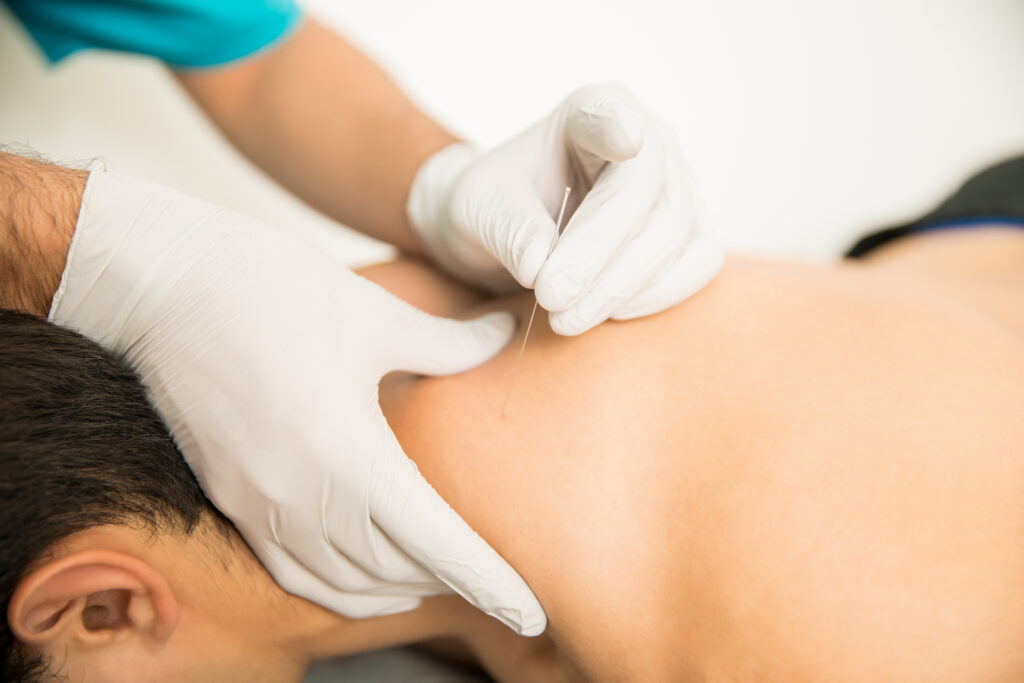
Dry needling, on the other hand, comes from Western sports medicine and physical therapy. It targets specific points in muscle tissue called myofascial trigger points — those tight, knotted areas you can sometimes feel as a hard lump under the skin. The goal is mechanical: release the knot, restore blood flow, reduce pain, and improve range of motion.
So which one is right for you?
The honest answer is that for many patients, the distinction matters less than you might think — because in New York State, dry needling can only be legally performed by a licensed acupuncturist. That means a practitioner who combines both approaches isn’t just possible; it’s often the most effective option available.
At Grand Madison Acupuncture, Dr. Erin Lee practices exactly this kind of integrated care. As a Doctor of Acupuncture and Chinese Medicine (DACM) with specialized training in neurofunctional acupuncture and sports medicine, she uses dry needling and trigger point therapy not as an alternative to acupuncture, but as a precise tool within a broader treatment strategy — often combining it with electroacupuncture (e-stim), cupping, and Gua Sha in a single session.
When patients typically choose dry needling
Patients come in specifically asking for dry needling when they’re dealing with:
- Muscle knots that won’t release no matter how much they stretch or foam roll
- Persistent back, neck, or shoulder pain that hasn’t responded to massage or chiropractic care
- Sports injuries — rotator cuff strains, IT band tightness, hamstring pulls, hip flexor pain
- Post-workout soreness that lingers longer than it should
- Referred pain — tension in one area causing pain somewhere else entirely
- Recovery from orthopedic surgery
Many of these patients have never tried acupuncture and wouldn’t describe themselves as interested in it. They find us through a search for dry needling NYC and discover that the practitioner doing the dry needling is also trained in a much broader system of care.
When acupuncture is the better lens
Traditional acupuncture excels when the issue is systemic rather than localized. If you’re dealing with chronic migraines, fertility challenges, anxiety, digestive problems, hormonal imbalances, or sleep disruption, the meridian-based approach addresses root causes that dry needling alone wouldn’t reach. The whole-body intake process — reviewing your sleep, stress, diet, and cycle — gives the practitioner a map that Western sports medicine doesn’t draw.
What most NYC patients actually need
Here’s what we see in practice: most patients who come in for dry needling benefit from both. The trigger point work releases the acute tension and restores mobility fast. The acupuncture component addresses the patterns underneath — why that shoulder keeps tightening, why the lower back flares after every long week, why the same spots keep coming back.
The two approaches aren’t competing philosophies. They’re different resolutions of the same image. One zooms in on the muscle. The other zooms out on the system.
A note on what to expect at your first session
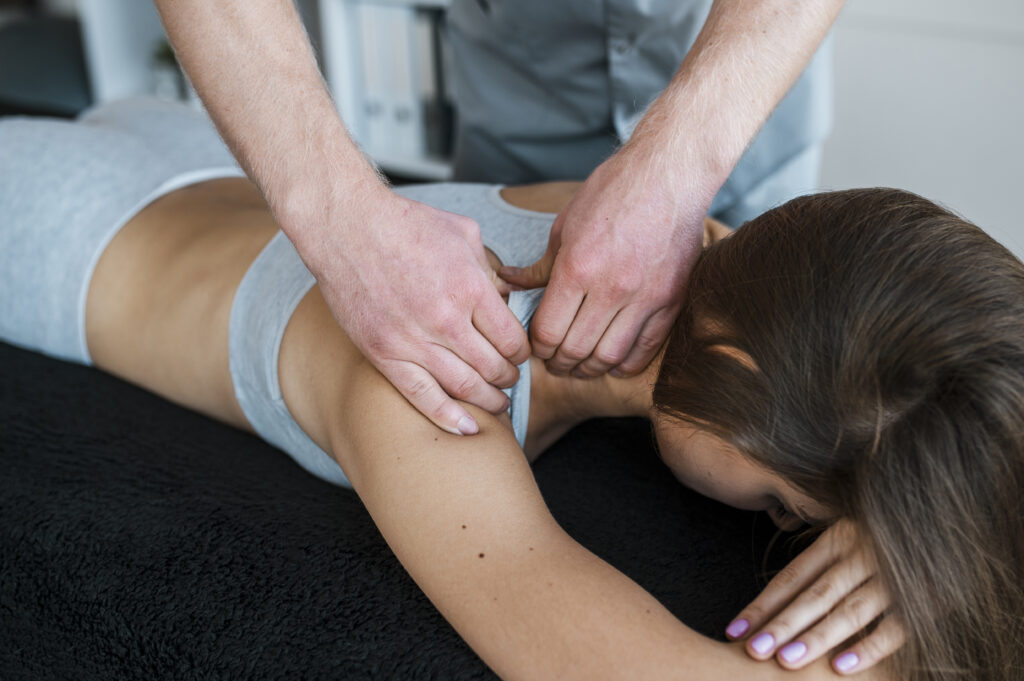
Whether you come in for dry needling, acupuncture, or both, your first visit at Grand Madison includes a full consultation. Dr. Lee will assess your posture, range of motion, and the specific areas of tension before a single needle is placed. Treatment is tailored to what your body actually needs that day — not a fixed protocol.
If you’ve been putting off addressing that shoulder, that nagging back, or that recurring hip tightness, this is a good time to start.