Blog
Finding Balance in a Fast‑Paced City: The Value of East Asian Medicine


In a busy place like New York, physical tension, stress, and fatigue are common. East Asian medicine provides a way to address these issues that fits into busy routines. This approach is based on thousands of years of clinical practice. It works with the body’s systems to ease pain, relax muscles, and support overall calm.
Acupuncture is a major practice in East Asian medicine. Many people in Manhattan seek acupuncture near transit hubs because sessions are quick, effective, and practical. If your workday starts or ends near Grand Central, you may find that Grand Central acupuncture makes it easy to schedule care during your work hours. While most people think of rest and recovery as something they do on weekends, minor adjustments in the middle of a demanding week can change how you feel by Friday.
In this article, we explain how acupuncture supports balance, what happens during a treatment, and why people in cities like New York turn to this method.
Why People Choose Acupuncture in Urban Settings
Physical tension shows up in common patterns:
- Neck stiffness from looking down at phones and laptops
- Upper back tightness from long hours sitting at desks
- Headaches from eye strain and stress
- Sleep problems linked to late nights and early mornings
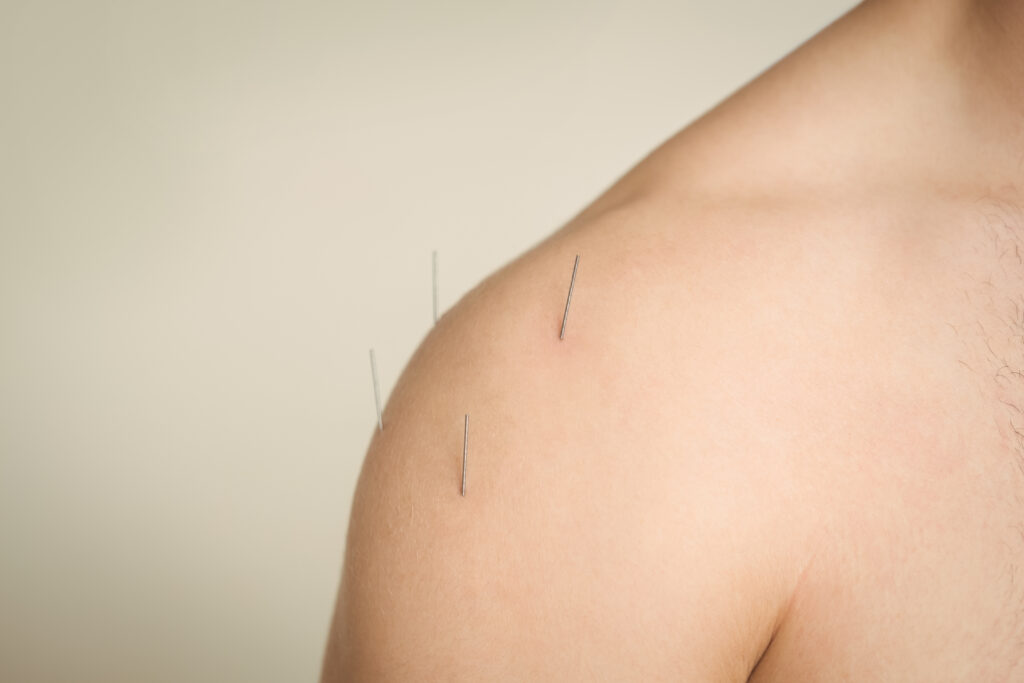
Some people take pain relievers regularly or try massage alone. These can help, but often don’t resolve the source of muscle tension or nervous system fatigue. Acupuncture engages different systems. Licensed practitioners insert fine, sterile needles at specific points on the body. Needles stimulate the nervous system, encouraging natural pathways of relaxation and muscular release. This method does not rely on medication. It works by inviting the body to respond on its own terms.
When this process occurs near commute routes, people find it easier to include sessions without major schedule changes. That is why Midtown acupuncture attracts workers, commuters, and residents alike.
How Acupuncture Supports Physical Balance
Acupuncture engages several mechanisms that relate directly to common city health issues:
- Muscle Relaxation
Needles placed near muscle knots help interrupt tension patterns. For people with chronic stiffness in the shoulders or lower back, this can reduce tightness that limits movement or causes discomfort. - Circulation Activation
Increased circulation supports healing and reduces local inflammation. Improved blood flow to areas of discomfort helps nutrients reach tissues that might otherwise heal slowly. - Nervous System Regulation
Stress can keep the nervous system in a heightened state of arousal, which leads to disrupted sleep or ongoing tension. Acupuncture influences nervous signals that help shift from “alert mode” to a more relaxed state. - Hormonal Responses
The body releases endorphins, its own natural pain‑relieving chemicals, when needles are placed with mindful precision. Endorphins reduce discomfort without the use of drugs.
These effects are rooted in clinical practice and observed outcomes. They help explain why professionals in physically demanding jobs notice reduced soreness after a few sessions, and why commuters feel less tightness in their necks or shoulders over time.
What Happens During an Acupuncture Visit
A typical acupuncture session includes:
- A short conversation about what brought you in (pain, stress, sleep issues, etc.)
- Palpation of key areas to find muscle tension or imbalances
- Placement of thin, sterile needles at specific points
- A period of rest while needles remain in place (often 15–30 minutes)
Some practitioners may apply mild electrical stimulation to needles for deeper engagement with muscle tissue. This version of needling may be suitable for pain that does not respond to manual needle placement alone.
Practitioners trained in East Asian medicine integrate their understanding of anatomy with long‑established needling principles. This helps them identify points that directly relate to a person’s symptoms.
How to Choose an Acupuncturist in the City
Selecting a care provider is one of the most essential choices you make. Here are specific factors that affect results:
- Licensing and Training
Ensure the person providing acupuncture is licensed by the state and trained in East Asian medicine. New York City requires licensed acupuncturists for all needling treatments. This includes methods some describe as “dry needling.” - Location and Access
A clinic near transit options makes it easier to schedule appointments around work. Many people choose acupuncture in NYC clinics near transit hubs so they can walk in after their commute or before their first meeting. - Scope of Practice
Some clinicians focus on pain alone. Others also support sleep health, digestion, and stress reduction. Read descriptions of services to find a fit with the symptoms you want to address. - Clinician Approach to Communication
Pay attention to how the practitioner listens. A skilled clinician explains what they plan to do and why that method may help your specific physical concerns.
Selecting a Midtown practitioner means you have many reputable choices within walking distance of major transit lines.
Common Conditions Responding Well to Acupuncture
Thousands of city residents use acupuncture for:
- Persistent neck or shoulder tension
- Lower back soreness
- Frequent headaches linked to muscle tightness
- Wrist or hand stiffness from typing
- Jet lag or sleep disturbances after long travel days
- Digestive discomfort connected to stress
These are all conditions where needle placement influences muscular and neurological pathways.
How People Fit Acupuncture Into Busy Days
Acupuncture does not require long appointments. A full session often lasts 45–60 minutes. Many clinics near transit options offer early-morning or late-afternoon appointments. Some people schedule visits twice a week when discomfort is at its worst, then shift to weekly or biweekly sessions once symptoms begin to calm.
Final Thoughts on Urban Balance and East Asian Medicine
People living in cities need methods that work with their rhythms. Acupuncture is a physical practice grounded in clinical skill. It supports relaxation, muscle balance, and nervous system calm in ways that match the needs of professionals and commuters.
If you have persistent muscle tension, stress headaches, or restless sleep, starting with a local, licensed practitioner like Grand Madison Acupuncture may improve how you feel. Clinics that offer acupuncture in NYC can help you schedule care with minimal disruption.