

Blog
Your First Cupping in NYC Session: What to Know Before You Book

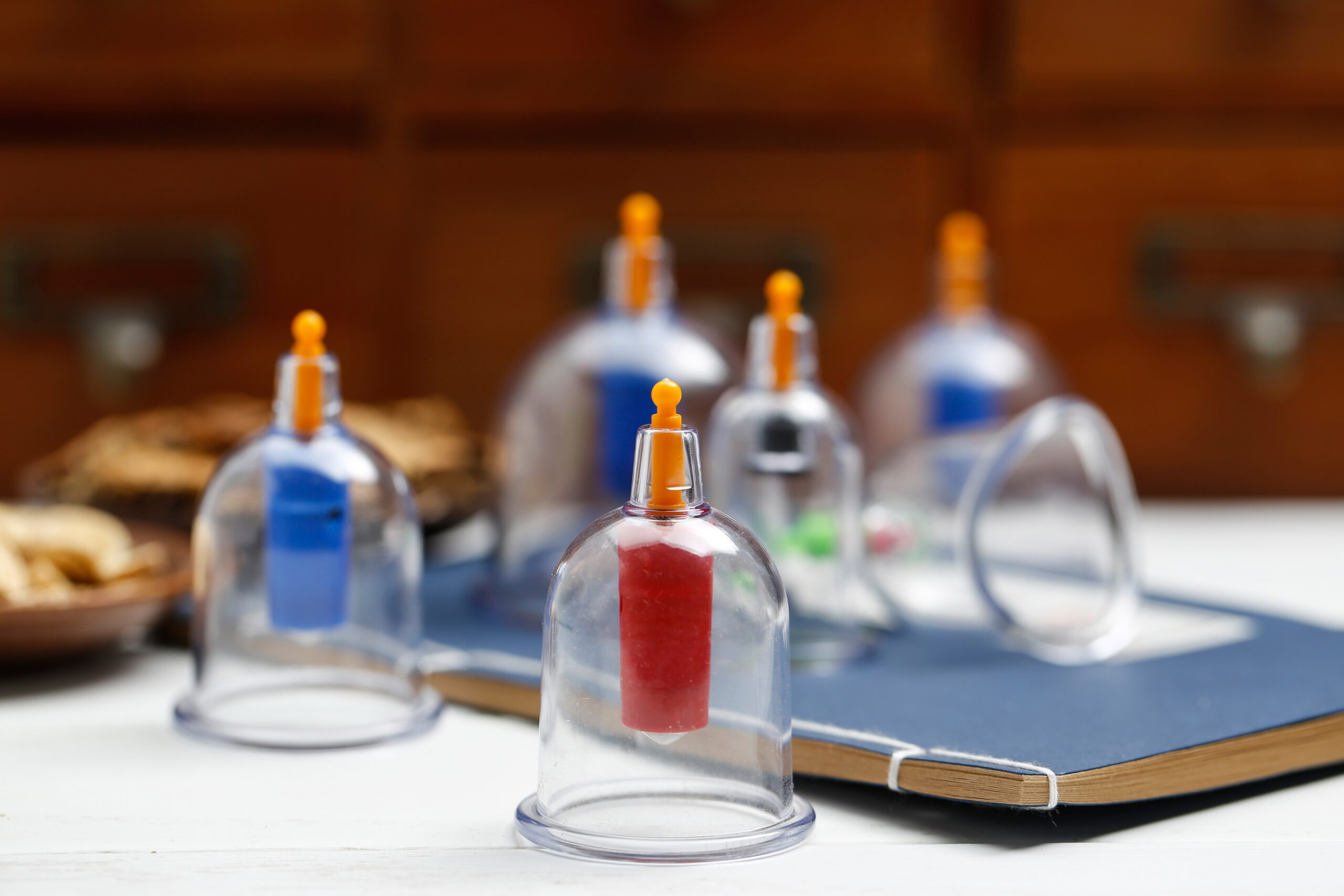
Most people book their first session after seeing the marks on someone else, which means they arrive with a specific set of worries. How much it hurts. How long the circles stay. What the treatment is doing beyond looking like it did something.
All three are answerable. If you’re considering cupping in NYC, here’s what’s worth understanding before you go and what to ask once you’re there.
What the Marks Actually Mean
The circles aren’t bruises in the way most people picture bruising. A bruise comes from impact, where tissue is compressed, and small vessels break in response to force.
Cupping works in the opposite direction. Suction lifts tissue upward and draws blood and fluid toward the surface in areas where circulation has gone sluggish. Nothing is struck, and nothing is injured, which is why pressing on a mark afterward usually produces no tenderness at all.
Reading the Color
The shade carries information rather than indicating damage:
- Light pink generally means the tissue underneath was already moving reasonably well
- Deeper red or purple tends to appear over areas holding long-standing tension
- The same spot usually marks less by the third visit than it did on the first
That last point is the one worth tracking. With the same practitioner, suction, and duration, a lighter color is one of the few visible ways to follow change in tissue that otherwise reports back only through how it feels.
Ask Which Technique You’re Getting and Why
There’s more than one approach, and the answer tells you something about how a clinic practices.
Static Cupping
Cups stay in place for several minutes over a defined area, usually the upper back, shoulders, or lower back. This is the version producing the classic round marks.
Sliding Cupping
The cups move across oiled skin, covering more ground with lighter pressure. It reads like a deep massage running in reverse and leaves far less marking.
A practitioner should be able to explain which they chose and what they found during assessment that led there. In East Asian medicine, we describe this in terms of Qi, the body’s vital life force energy, becoming stuck in places the body has been guarding. The practical translation is that some tissue wants decompressing and some wants moving, and that call is made by hand rather than by protocol.
Why Cupping in NYC Is Rarely Used on Its Own
Suction addresses the fascia and the circulation around a problem. It doesn’t address the trigger point that pulled everything tight to begin with, which is why cups alone tend to produce relief that fades within days.
Cupping therapy in NYC produces lasting change when it sits inside a session that also treats the cause. At Grand Madison Acupuncture, a visit might combine needling of active trigger and motor points to release the muscle, cupping to decompress the fascia around it, and electroacupuncture to speed the release of something stubborn.
Acupuncture therapy in NYC works best when it’s assembled after assessment rather than pulled from a template. Ask any clinic what else the session includes before you book.
We’ll add what we say about every treatment here: this belongs alongside your conventional medical care rather than in place of it. A practitioner who asks about your physical therapy, your training schedule, or what your physician has told you is working the right way.
Who Tends to Benefit Most
The people this suits are fairly consistent:
- Desk workers whose upper backs have locked over months of screen time
- Lifters and athletes shortening recovery between hard sessions
- Anyone whose lower back tightness responds to massage for about a day
- People whose muscles feel dense and unyielding rather than simply sore
- Patients working through respiratory congestion, where cupping across the upper back can help
The common thread is tissue that has stopped moving well, which is what cupping therapy in NYC is particularly good at reaching.
What the Rest of Your Day Looks Like
The sensation during treatment is pulling rather than pressing, and most people find it unexpectedly relaxing once the cups settle.
Afterward
- Drink water and keep moving gently instead of resting completely
- Skip the sauna and the very hot shower for the rest of the day
- Expect the area to feel looser first, with soreness relief arriving shortly behind
- Plan around anything where you’d rather not have visible circles
Marks typically fade within three to seven days. If you have a wedding, a beach weekend, or a sleeveless presentation coming up, mention it when you book and placement can be adjusted.
Three Questions Worth Asking Before You Book
Whatever clinic you’re considering, these cover most of what matters:
- What will the session include besides cupping?
- What did you find during assessment that made you choose this approach?
- How many visits before I should expect to notice a difference?
A clinic willing to answer all three specifically is a clinic willing to be held to something. The same applies to any acupuncture therapy in NYC you’re considering.
If your shoulders have been carrying the last few months of deadlines, or recovery between training sessions has slowed down, an assessment will tell us more in fifteen minutes than another week of guessing. Our clinic is at 501 Fifth Avenue at 42nd Street, overlooking Bryant Park, and a full consultation is included with your first treatment session.
Book a visit and let’s find out what’s actually holding you back.