

Blog
What That Redness Actually Means: Understanding Scraping Therapies in NYC

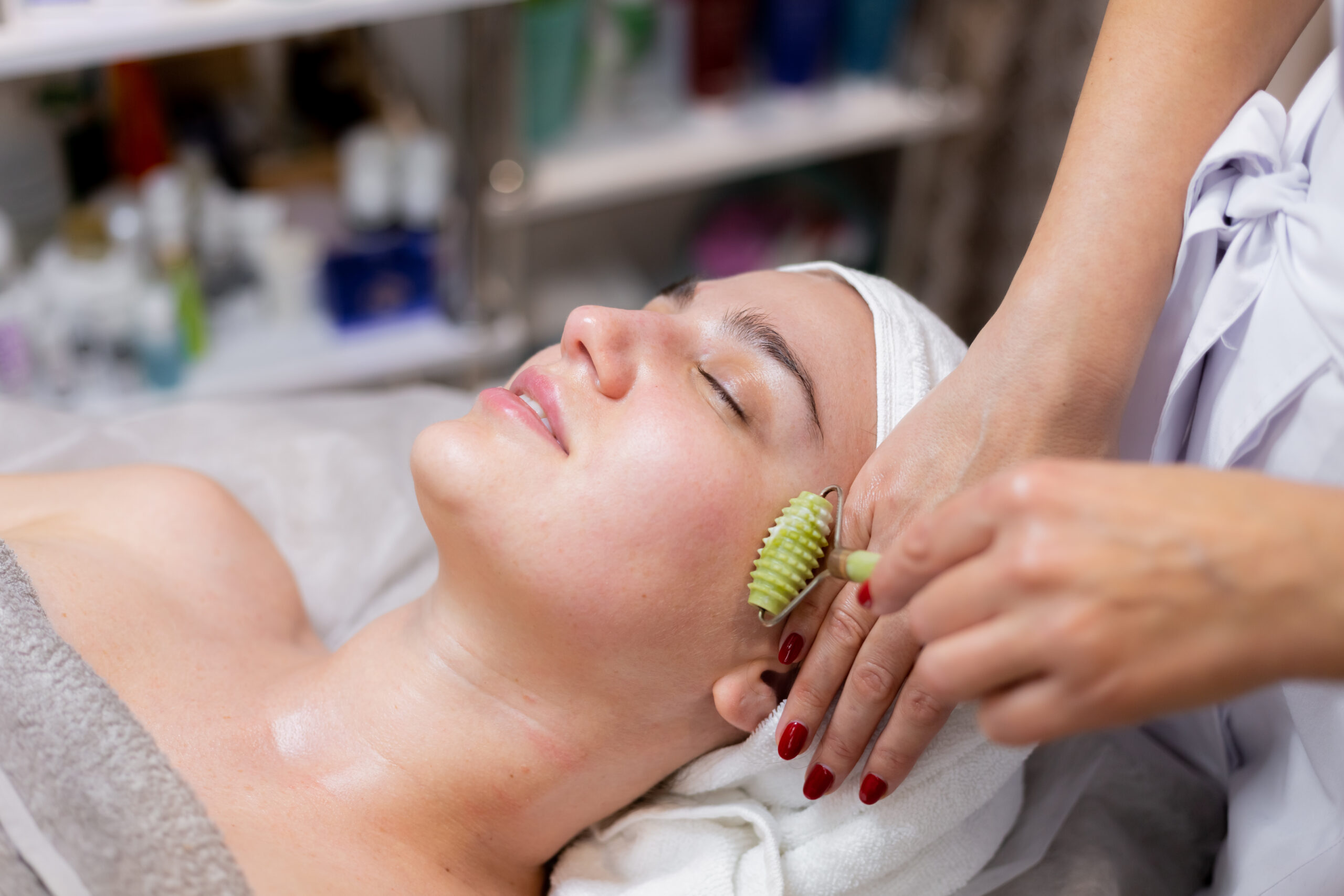
If you’ve seen photos of athletes with red marks on their backs or watched a skincare influencer demonstrate facial scraping techniques, you’ve encountered Gua Sha, a therapeutic practice with roots in East Asian medicine that has gained significant mainstream attention in recent years.
The most striking feature of Gua Sha is the redness it produces. Those marks, called petechiae or “sha,” can look alarming. But understanding what that redness actually represents, and what’s happening beneath the skin when it appears, reveals why this technique has been used for centuries and why modern research is beginning to validate its mechanisms.
What Is Gua Sha and Why Are New Yorkers Turning to It?
Gua Sha involves using a smooth-edged tool, traditionally made of jade, horn, or ceramic and now often stainless steel, to apply repeated pressured strokes to lubricated skin. The technique creates friction that produces temporary redness ranging from light pink to deep red or purple, depending on the area being treated and the individual’s condition.
In traditional East Asian medicine, Gua Sha is understood as a method to move stagnant Qi and blood, releasing pathogenic factors from the body’s surface. In contemporary terms, research has focused on its effects on microcirculation, inflammation, and immune response.
The Physiology of Petechiae: What the Research Shows
The redness produced by Gua Sha results from extravasation, the movement of blood from capillaries into surrounding tissue. When the scraping tool applies pressure, it creates shear force that affects the superficial capillary beds. This controlled microtrauma triggers a cascade of physiological responses.
The petechiae themselves, while visually striking, are not bruises in the traditional sense. Bruises result from blunt trauma that damages larger vessels. Gua Sha-induced petechiae come from the controlled release of blood from the smallest capillaries and typically resolve within two to four days without the tenderness associated with bruising.
How Gua Sha Reduces Inflammation
Beyond improved circulation, research suggests Gua Sha produces measurable anti-inflammatory effects. The controlled microtrauma essentially activates the body’s healing mechanisms, producing systemic effects that extend beyond the immediate treatment area.
A study found that Gua Sha reduced inflammatory markers in patients with chronic neck pain, with improvements persisting for at least one week after treatment.
Addressing Muscle Tension and Pain in Manhattan’s Workforce
For musculoskeletal pain, Gua Sha in NYC is commonly applied to the back, neck, and shoulders, areas prone to tension and restricted blood flow, particularly among office workers.
The increased microperfusion helps address what researchers call “blood stasis” in traditional terminology, or tissue hypoxia and metabolic congestion in biomedical terms. When muscles are chronically tight, local circulation can become compromised. Metabolic byproducts accumulate, contributing to stiffness and discomfort. By dramatically increasing surface blood flow, Gua Sha helps clear this congestion.
The technique also affects fascia, the connective tissue that surrounds muscles. Research has identified fascia as a sensory organ rich in mechanoreceptors, which respond to pressure and stretch. The mechanical input from Gua Sha may help release fascial adhesions and restore normal tissue mobility.
At grand Madison Acupuncture, we often combine Gua Sha with acupuncture for enhanced effect. While our Midtown acupuncture addresses deeper muscular and neurological pathways, Gua Sha works on superficial tissue layers, creating a comprehensive approach to pain and tension.
Facial Gua Sha: A Different Technique for Different Goals
The rise of facial Gua Sha on social media has introduced many people to the practice, though facial techniques differ significantly from therapeutic body work. Gua Sha facial massage in NYC uses gentler pressure and does not produce the pronounced redness associated with body treatments.
Facial applications focus on lymphatic drainage, reducing puffiness, and releasing tension in the muscles of facial expression. The masseter muscle (involved in jaw clenching), the frontalis (forehead), and the muscles around the eyes are common targets.
Professional facial Gua Sha differs from at-home techniques. Practitioners trained in facial anatomy can identify areas of tension, use appropriate pressure, and integrate the treatment with broader therapeutic goals. For those dealing with TMJ dysfunction, chronic headaches, or facial tension from stress, professional treatment offers more targeted results than self-administered techniques.
What to Expect During Your Gua Sha Session
A typical Gua Sha session begins with the application of oil or liniment to reduce friction. We then use the tool to stroke the skin in one direction, applying consistent pressure. You’ll feel a scraping sensation and warmth as circulation increases.
The treatment area will show redness during and after the session. Most patients describe the sensation as intense but not painful, a “good hurt” similar to deep tissue massage. Some soreness may persist for a day or two as the body processes the increased circulation.
For chronic conditions, multiple sessions are typically recommended. Many patients notice cumulative improvements in mobility and pain reduction with regular treatment.
Why the Marks Matter Less Than What’s Happening Beneath Them
The redness left by Gua Sha often becomes a conversation starter, but it’s what happens beneath that redness that matters. The dramatic increase in microperfusion, the upregulation of protective enzymes, and the release of tissue congestion represent measurable physiological changes that explain why this ancient technique continues to find relevance in modern practice. If you’re curious about whether Gua Sha might help your condition, we’re happy to assess your specific situation and discuss whether it’s the right fit for your needs.