

Blog
Beyond the Medicine Cabinet: How Busy New Yorkers Are Managing Pain Without Medication

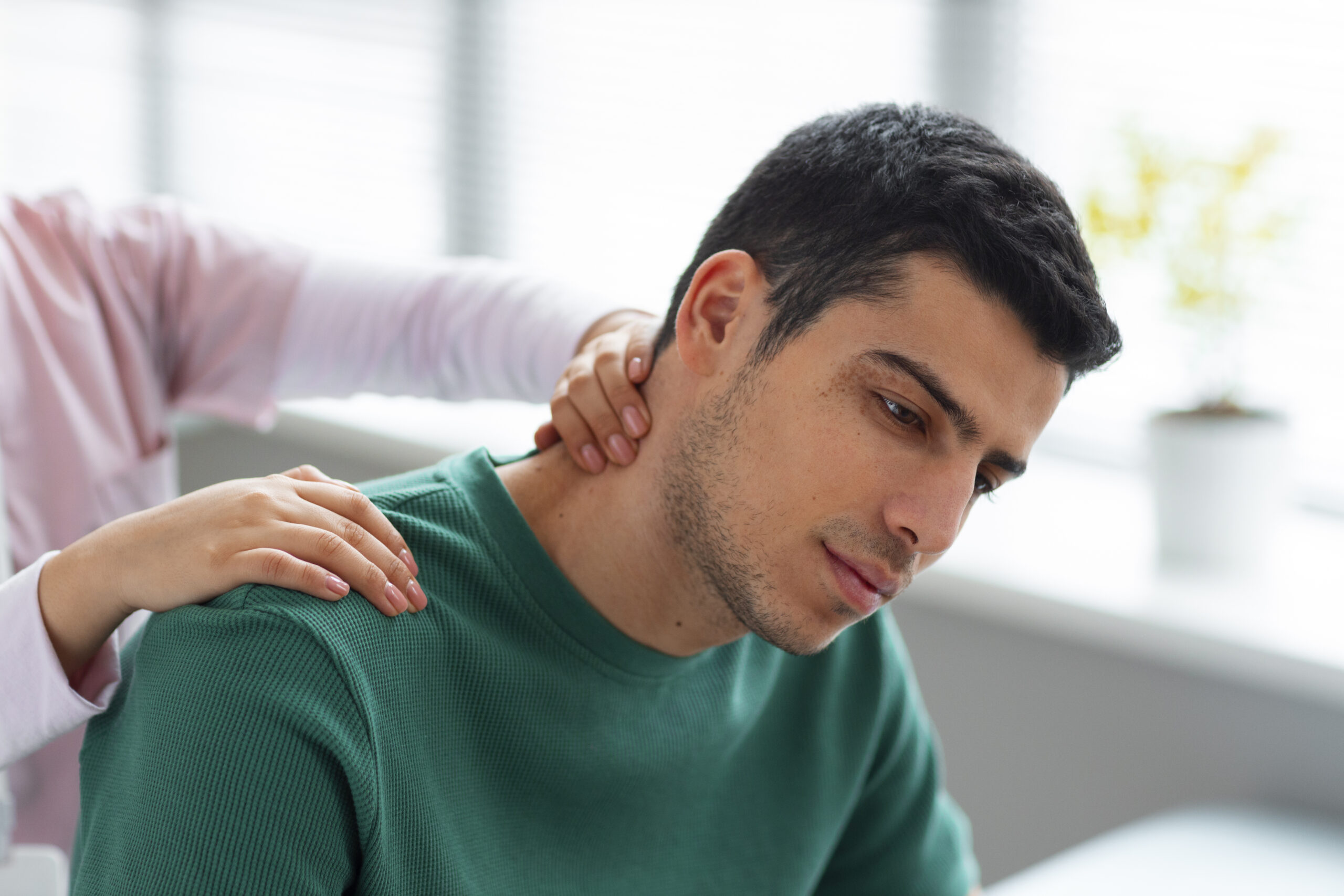
For many New Yorkers, the first response to pain is reaching for a bottle. Ibuprofen before the morning commute. Acetaminophen to get through the afternoon. Maybe something stronger when the back spasms hit after a long week. It works, until it doesn’t.
The problem with relying on medication for ongoing pain is that it addresses the sensation without addressing the source. The pain returns, often requiring higher doses or more frequent use. Side effects accumulate. And the underlying issue, whether muscular, postural, or neurological, continues to progress.
This is why more NYC professionals are looking beyond the medicine cabinet for solutions that do more than mask symptoms.
Why Medication Alone Often Falls Short
Pain serves a purpose. It signals that something in the body needs attention. When we override that signal with medication without investigating the cause, we lose valuable information.
Over-the-counter pain relievers like NSAIDs reduce inflammation and block pain signals temporarily. For acute injuries or occasional headaches, they’re useful tools. But for chronic or recurring pain, the pattern becomes problematic. The medication wears off, the pain returns, and the cycle repeats.
Long-term NSAID use carries risks including gastrointestinal issues, cardiovascular concerns, and kidney stress. Prescription options come with their own complications, including dependency. For busy professionals who need to stay sharp and functional, these trade-offs become harder to justify over time.
The question shifts from “What can I take for this pain?” to “What’s actually causing it, and how do I fix it?”
What NYC Professionals Are Doing Instead
At our Midtown clinic, we see patients who have tried everything in their medicine cabinet and are ready for a different approach. What they’re looking for is pain management acupuncture in NYC that addresses root causes rather than just symptoms.
Acupuncture works by stimulating specific points on the body to influence the nervous system, increase circulation, and release muscle tension. It triggers the release of endorphins, the body’s natural pain relievers, without the side effects of pharmaceuticals. For many patients, the relief is both immediate and cumulative, improving with each session.
But acupuncture is just one piece of the approach. We often combine it with dry needling for trigger points, cupping to release fascial tension, and electroacupuncture for deeper muscle issues. The combination depends on what’s driving the pain and how the body is responding.
Common Pain Patterns We Treat
The patients who walk through our door tend to share similar stories. Long hours at a desk. Stressful commutes. Limited time for exercise or recovery. These factors create predictable pain patterns.
Lower back pain is the most common complaint. Prolonged sitting tightens the hip flexors and weakens the stabilizing muscles of the spine. The result is persistent aching that flares with certain movements and lingers throughout the day.
Neck and shoulder tension comes next. Forward head posture from screen work strains the cervical spine and overloads the upper trapezius. Patients describe tightness, restricted range of motion, and headaches that start at the base of the skull.
Sciatica and radiating leg pain round out the top three. Whether caused by disc issues or tight piriformis muscles compressing the nerve, the shooting pain down the leg can be debilitating.
For all of these, acupuncture for pain relief in NYC offers a path forward that doesn’t depend on daily medication.
Why This Approach Works for Busy Schedules
One reason NYC professionals are drawn to acupuncture is practical: it fits into a demanding lifestyle.
Sessions typically last 45 to 60 minutes. You can schedule during a lunch break or after work. There’s no recovery time needed. Most patients return to their day immediately, often feeling more relaxed and focused than before.
Unlike physical therapy, which requires active participation and homework, acupuncture allows you to rest while receiving treatment. For people who arrive depleted after long workdays, this passive approach is part of the appeal.
And unlike medication, which requires ongoing use to maintain effect, acupuncture produces cumulative benefits. Many patients start with weekly sessions, then transition to biweekly or monthly visits as their condition improves. The goal is resolution, not indefinite management.
What to Expect from Treatment
If you’re considering acupuncture treatment for pain in NYC, here’s what the process typically looks like.
Your first visit includes a thorough assessment. We discuss your pain history, daily habits, posture, stress levels, and any previous treatments you’ve tried. This helps us understand not just where the pain is, but why it developed and what’s keeping it in place.
Treatment begins the same day. You’ll lie comfortably while thin, sterile needles are placed at specific points. Most patients feel minimal discomfort during insertion, followed by a deep sense of relaxation as the treatment progresses. Some people fall asleep.
Afterward, you may notice immediate improvement or a gradual shift over the following days. Soreness in treated areas is normal and typically resolves within 24 to 48 hours.
We create a treatment plan based on your condition and goals. Acute issues may resolve in a few sessions. Chronic patterns often require more consistent care before the body establishes new, pain-free patterns.
A Different Way to Think About Pain
Pain doesn’t have to be something you manage indefinitely with pills. For many conditions, especially those rooted in muscular tension, postural imbalance, or nervous system dysregulation, there are approaches that address the source rather than suppress the signal.
At Grand Madison Acupuncture, we help busy New Yorkers break the cycle of recurring pain without adding another bottle to the medicine cabinet. Our Midtown location near Bryant Park makes it easy to fit treatment into your schedule.
If you’re ready to explore what’s possible beyond medication, we’re here to help.