

Blog
Beyond the Annual Wellness Fair: Building a Program Teams Return To

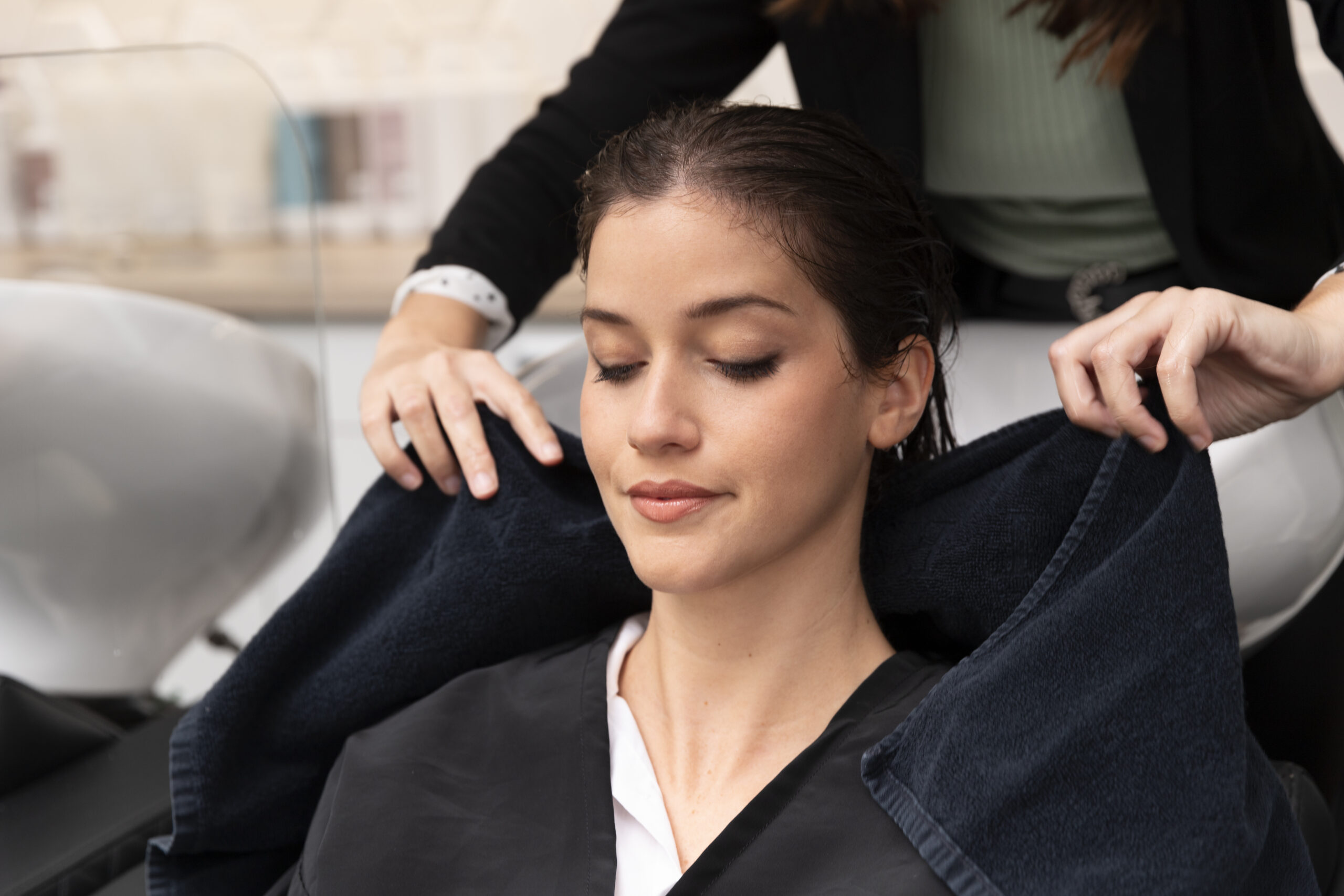
Most Midtown offices run some version of the same event. A day in a conference room, a few vendor tables, biometric screenings, tote bags. Attendance is respectable. Feedback is polite. And by the following month, almost nothing about how the team feels at 4 p.m. on a Wednesday has changed.
The fair isn’t a bad idea. It’s an incomplete one.
The wellbeing problems affecting NYC teams are cumulative rather than acute. Shoulder tension built over eight months at a desk doesn’t respond to a single Tuesday in October. If you’ve run one of these and wondered why the effect faded, this is why.
Frequency Beats Production Value
An elaborate annual event and a modest monthly one often cost about the same. The monthly one produces noticeably better outcomes.
The reason is simple. Tension, fatigue, and stress rebuild continuously. A treatment that interrupts them once is pleasant. A treatment that interrupts them every few weeks changes the baseline. Employees who know a session is coming also start managing their own load differently, stretching before the flare instead of after.
Frequency builds participation in a way one-time events can’t. The first session draws people who were already curious. The third and fourth draw the skeptics, who by then have heard from colleagues that it was useful. We regularly see attendance climb across a series, which rarely happens with standalone events.
This is why our corporate wellness services in NYC can run as one-time activations or as an ongoing series. The one-time format works for a launch or an offsite. The series is what changes anything lasting.
Build From a Problem, Not a Menu
Programs fail when they’re assembled from a catalog rather than designed around what people are actually experiencing.
In most Midtown offices, that’s some mix of neck and shoulder tension from screen work, lower back discomfort from long seated hours, disrupted sleep, and stress that’s become structural rather than occasional. Those aren’t the same problem and don’t respond to the same thing.
Acupuncture and trigger point therapy address the musculoskeletal side directly. Trigger point therapy, often called dry needling by the Western community, involves the insertion of thin, sterile needles targeting myofascial trigger points. It’s a centuries-old technique of acupuncture and East Asian medicine, and it works by releasing muscular knots and reducing tension. Which is precisely what accumulates in a body that spends fifty hours a week at a keyboard.
Movement programming does something different. In collaboration with Fifth Avenue Wellness, we combine acupuncture and holistic East Asian medical care with mobility work including Qigong, yoga, and self-defense. The pairing is deliberate: treatment addresses what’s already built up, while movement gives people something to carry into the weeks between sessions.
Educational sessions do a third thing: helping people understand why they feel the way they do. Teams that understand the mechanism make better decisions about their workday than teams handed a list of tips.
Make Access the Default
The biggest predictor of participation is how much friction sits between an employee and the thing you’re offering.
On-site programming removes most of it. When sessions happen down the hall, people who’d never book an outside appointment will try twenty minutes of something. That low-commitment exposure converts skeptics, and it’s the main argument for bringing employee wellness programs in NYC into the office rather than expecting people to travel.
Timing matters as much as location. Sessions during the workday signal that the company considers this part of the job. Sessions after hours signal that it’s optional and personal, and attendance reflects that reading precisely.
Our Fifth Avenue space, overlooking Bryant Park, hosts up to twenty-five seated when a change of environment is the point. For larger teams or a regular cadence, we come to you.
Give People Somewhere to Go Afterward
The gap in most corporate wellness is what happens after the session ends. An employee who found a treatment genuinely helpful is left to arrange continued care alone, at full cost, on their own time. Most don’t.
Our Corporate Partnership model addresses that directly. An employer subsidizes a portion of an employee’s visit, and we match a portion of that investment, which makes ongoing care meaningfully more affordable than either side could manage alone. It turns a wellness event into an entry point rather than a standalone experience.
This is where workplace wellness programs in NYC either compound or stall. A program that ends when the vendor packs up produces a good day. A program with a continuation path produces employees managing their health differently six months later, along with the reduced absenteeism and higher job satisfaction that follow.
Measure Something Besides Attendance
Headcount is the easiest metric and the least informative. It tells you the event was scheduled at a convenient time.
More useful signals: repeat participation across a series, whether employees ask about the next date unprompted, whether uptake of any continuation benefit grows, and what people say when asked what changed rather than whether they enjoyed it.
Simple questions about tension, sleep, and energy before and after will tell you more than a satisfaction score. This doesn’t require a complicated framework. It requires better questions than the ones on a standard feedback form.
Where to Start
If your team is coming off a wellness fair that didn’t land, the useful next step is smaller than another large event. A short series. One modality. One clearly identified problem. Scheduled during work hours, with a way for interested employees to continue afterward.
We’re glad to talk through what that looks like for your team, your space, and your headcount. Our clinic is on Fifth Avenue at 42nd Street, and we work with Midtown companies both on-site and in our studio.